
Global CCTT working group "East–West"
Structure
The CCTT Global Working Group “West–East” consists of two working groups: the WG “China–Europe–China” and the WG “Container Transportation”, which, in turn, includes the following mini‑working groups: “Far East Ports”, “Overland Border Crossings”, and “Cooperation with CR (China Railways)”.
Objectives of the Working group
- To organize and coordinate efforts to improve the competitiveness of the international transport corridor “West–East” and to ensure growth in freight volumes in international traffic along this route.
- To facilitate the development of an appropriate international legal framework for regulating transportation along the international transport corridor “West–East”.
1.
Working group “China–Europe–China”

Alexey Grom
Leader
CEO, Chairman of the Board of United Transport and Logistics Company – Eurasian Rail Alliance (UTLC ERA)
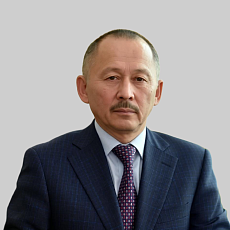
Kanat Almagambetov
Leader
Head, Member of the Presidium of the Union, General Director of the Kazakhstan Union of Transporters "KAZLOGISTICS"
Key areas of Activity of the Working group
- Within the working group, the following issues are considered to improve the competitiveness of rail transport in the China–Europe–China traffic:
- Simplifying customs procedures when crossing national borders.
- Implementing measures to increase the throughput of container trains at rail border crossings.
- Strengthening the security and safety of goods transported in international traffic, including through the use of electronic navigation tools.
- Ensuring competitive through rates: subsidizing container freight transportation, introducing a comprehensive cost indicator to the logistics market, etc.
- Aligning transportation volume planning with the capacity of border crossings.
- Introducing new technologies to further optimize the transportation process.
- Taking measures to ensure a balanced load on routes.
- Developing and introducing new transport products.
2.
Working Group "Container shipping"
Key areas of Activity of the Working group
- Addressing issues related to the development of import, export, and transit traffic via the stations of Naushki, Zabaykalsk, Grodekovo, Makhalino, and Nakhodka‑Vostochnaya.
- Proposing measures and initiatives aimed at attracting additional freight volumes to this route.
- Developing and implementing new transport products for container transportation.
Outcomes
As a result of the group’s work, against the backdrop of changing supply chains, CCTT member companies have ensured the development of new logistics schemes.
In 2024–2025 CCTT member companies launched new rail and multimodal container services in international traffic:
- A container service by PJSC “TransContainer” for the transportation of consolidated cargo (mineral oils, ferrous metal products, plywood) from Yekaterinburg to Krasnoyarsk.
- A container service by PJSC “TransContainer” for delivering cargo from the Moscow region to Yekaterinburg.
- A rail service by “Ruscon” (part of Delo Group) for transporting a wide range of goods from Russia to the Republic of Kazakhstan.
- A regular rail service by “Ruscon” for transporting consolidated and heavy cargo, as well as chemical industry products, from China to the Republic of Tatarstan.
- A rail container service by LLC “Transit” for transporting consumer goods from Hefei to Moscow via Kazakhstan.